The Modernist Theory
The Modernist theory of architecture (1919-1968), was based on the shift from the feudal societies of the past to the urban society. The French Revolution was a rising of the common people to cast down the aristocracy and to overthrow government. The Industrial Revolution saw the addition of the middle class, the bourgeois rejected and creativity becoming a religion as well as universities, rationale science and a break from the church; a feeling that the present is discontinuous from the past came to the forefront. The Bauhaus proclaimed, “Let us create a new guild of craftsman, without the class snobbery that tries to erect a haughty barrier between artists and craftsman”. This cultural impact on the Making of Architecture was based on the self-referential theo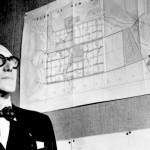 ry that became a guiding principal of the Modern age in Architecture. Being self-referential was guided by the notion that elements referenced themselves and not history. By architecture becoming self-referential, gave intent to the ‘Making’ of architecture as well as giving it a direction. “The wall is about the Wall”, the “wall” was no longer a cohesive part of the building, and the “wall” became a device. The spatial experience then becomes more important because the wall is not needed, but the “wall” gives direction and defines the space. Modern architecture depended on movement, where understanding is based on a non-static, observer based movement. Panoramic operations such as this were important to many Architects such as Le Corbusier.
Adam A. Dailide http://studio-render.com
Posted in Architectural Theory and tagged Editorial by Studio Render with no comments yet.

Leave a Reply